
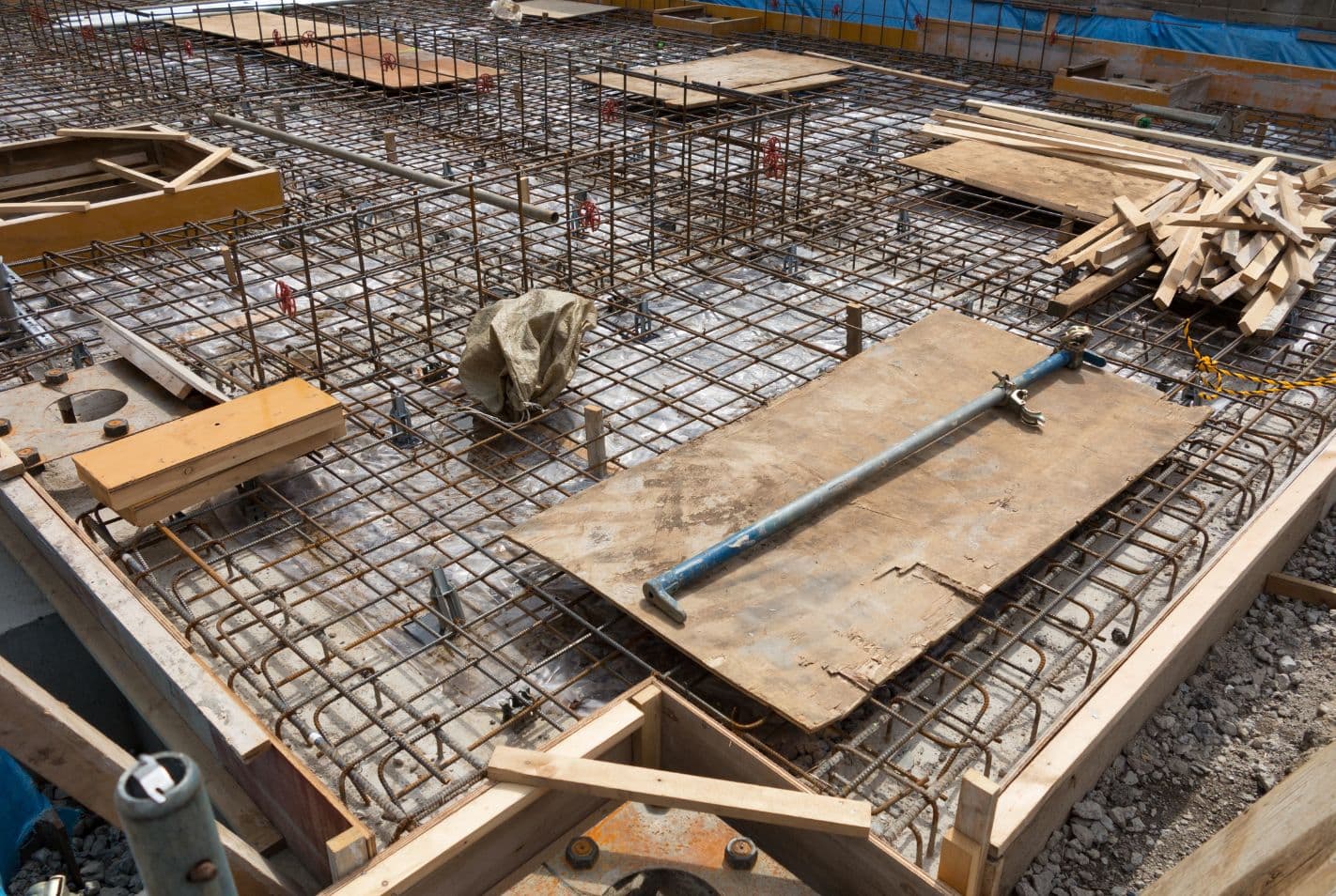
About Dumpster Pads and Enclosures
Dumpster pads and enclosures are required infrastructure for commercial properties but often receive inadequate attention during construction. A properly designed dumpster pad handles the concentrated loads from waste containers and collection vehicles while integrating with site drainage and maintaining a clean appearance.
Commercial dumpster pads face unique challenges: heavy point loads from full containers, impact damage during pickup and placement, and the corrosive effects of waste and wash-down water. We design pads with appropriate thickness, reinforcement, and drainage to handle these demands.
Enclosure construction often accompanies pad installation. We construct masonry or concrete screen walls, install gates and hardware, and ensure the completed enclosure meets local code requirements and property standards. The enclosure protects the pad from vehicle damage and screens waste containers from public view.
For existing properties, we replace failed dumpster pads and upgrade enclosures to current standards. This work requires coordination with waste collection schedules and may involve temporary container relocation during construction.
What’s Included
- Site evaluation and design
- Demolition of existing pad if required
- Excavation and subgrade preparation
- Reinforced concrete pad installation
- Drainage integration
- Enclosure wall construction
- Gate and hardware installation
- Bollard installation for vehicle protection
- Striping and signage coordination
Frequently Asked Questions
What thickness is required for commercial dumpster pads?
Commercial dumpster pads typically require 6-8 inches of concrete with heavy reinforcement. Areas where waste collection vehicles enter may need additional thickness. We design based on container sizes and collection equipment used.
Do you construct the enclosure walls and gates?
Yes. We construct complete dumpster enclosures including concrete or masonry walls, steel gates, and necessary hardware. The enclosure design meets local code requirements and matches the property's architectural character.
How do you handle drainage for dumpster pads?
Dumpster pads slope to drain points connected to appropriate systems. Some jurisdictions require grease interceptors or specific connection to sanitary sewer rather than storm drainage. We verify local requirements during design.
Can you replace a dumpster pad at an occupied property?
Yes. We coordinate with property management and waste haulers to temporarily relocate containers during pad replacement. The work typically takes 3-5 days from demolition to service return.
What causes dumpster pads to fail?
Common failure modes include undersized thickness, inadequate reinforcement, poor drainage, and foundation settlement. Our designs address all these factors to deliver pads that perform for the life of the property.