
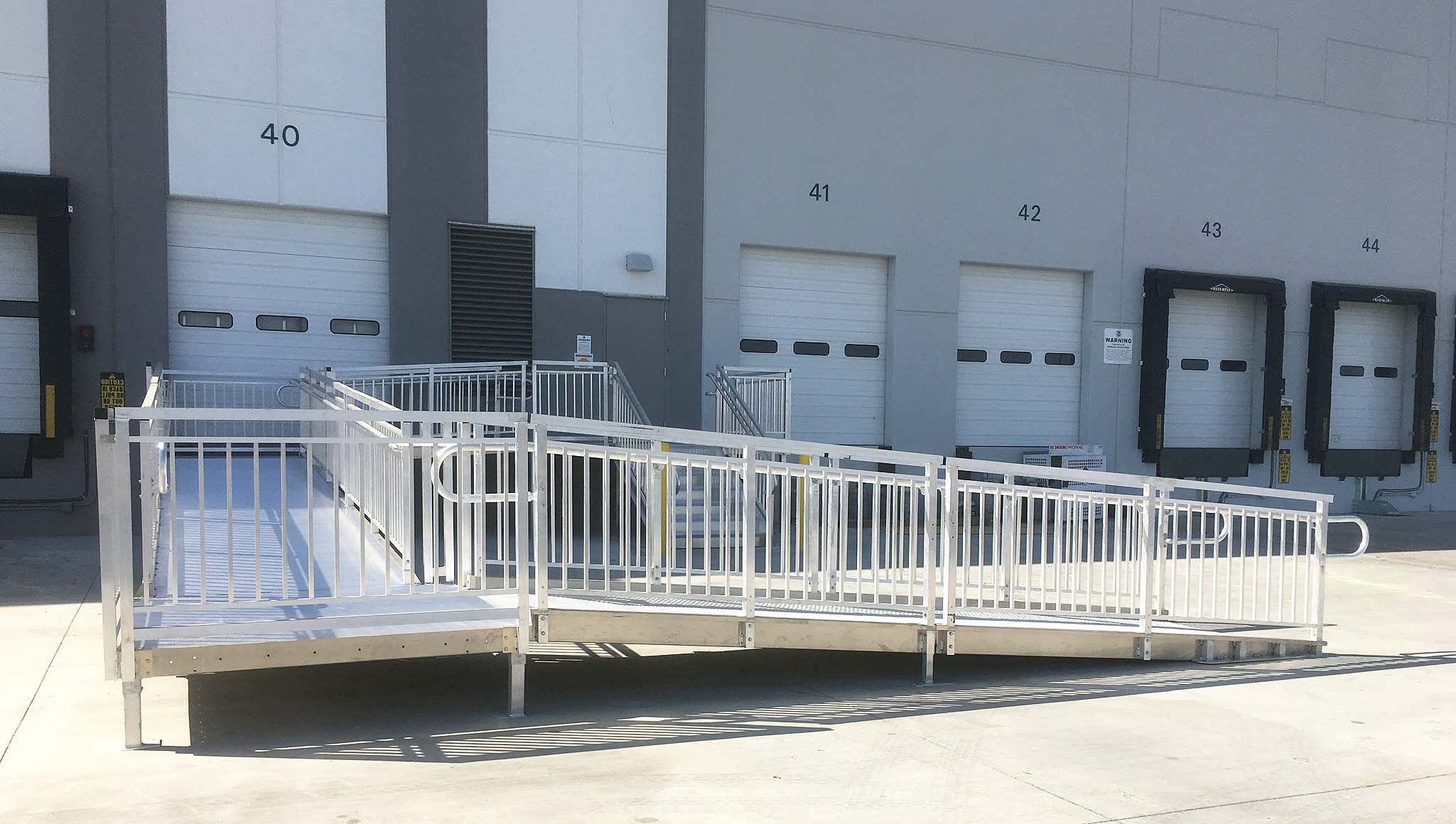
About Manufacturing Plant Construction
Manufacturing plant construction concrete scope from our crews means one accountable team delivering complete concrete packages—foundations, slabs, loading areas, and sitework. We work directly with property owners and developers, and we bid the same scope as a subcontractor to the project's general contractor, self-performing from bid through closeout with single-source accountability.
Manufacturing plant concrete construction supports the precision equipment, heavy machinery, and demanding operations of production facilities. From machine foundations to floor slabs to loading areas, every concrete element must perform under industrial conditions for decades.
Manufacturing facilities present unique requirements: isolated machine foundations for precision equipment, chemical-resistant floors in processing areas, heavy-duty slabs for equipment and product storage, and specialized areas for specific production processes. We address each requirement with appropriate design and construction.
Floor performance is critical in manufacturing. Forklifts run continuously, equipment exerts concentrated loads, and processes may expose concrete to chemicals, heat, or moisture. We specify and construct floors designed for the specific demands of each manufacturing environment.
Many manufacturing projects proceed while production continues in adjacent areas. We coordinate construction to minimize impact on operations, working nights and weekends when needed and sequencing work to keep access routes open.
What’s Included
- Foundation design coordination
- Subgrade preparation
- Machine foundation construction
- Floor slab installation
- Equipment anchor installation
- Trench and drain integration
- Chemical-resistant treatments
- Floor flatness verification
- Coordination with equipment installation
Frequently Asked Questions
What floor flatness do manufacturing facilities require?
Requirements vary by area. General production areas typically need FF25/FL20 or better. Precision manufacturing areas may require FF35/FL30 or higher. Machine installation areas need flatness appropriate for equipment specifications.
How do you handle chemical exposure in manufacturing floors?
Chemical resistance depends on exposure type. Options include chemical-resistant concrete, epoxy coatings, urethane systems, or specialty toppings. We evaluate chemicals present and specify appropriate protection for each area.
Can you install floors while manufacturing continues?
Yes. We develop phased construction plans that maintain production while completing concrete work. This may involve night shifts, weekend work, and careful coordination with plant operations.
What foundation requirements do manufacturing facilities have?
Foundation requirements vary widely based on equipment and soil conditions. Heavy machinery may need isolated foundations. High-rack storage requires floors designed for concentrated loads. We evaluate specific requirements during design.
How do you handle floor drains in manufacturing areas?
Floor drains require careful coordination with process requirements and plumbing systems. We install drains at specified locations with proper slope to drain points. Trench drains may be specified for washdown areas.